Back to Blog
Financial Services

Infrastructure Design for High-Frequency Trading: 6 Key Considerations

August 11, 2026
0 min read
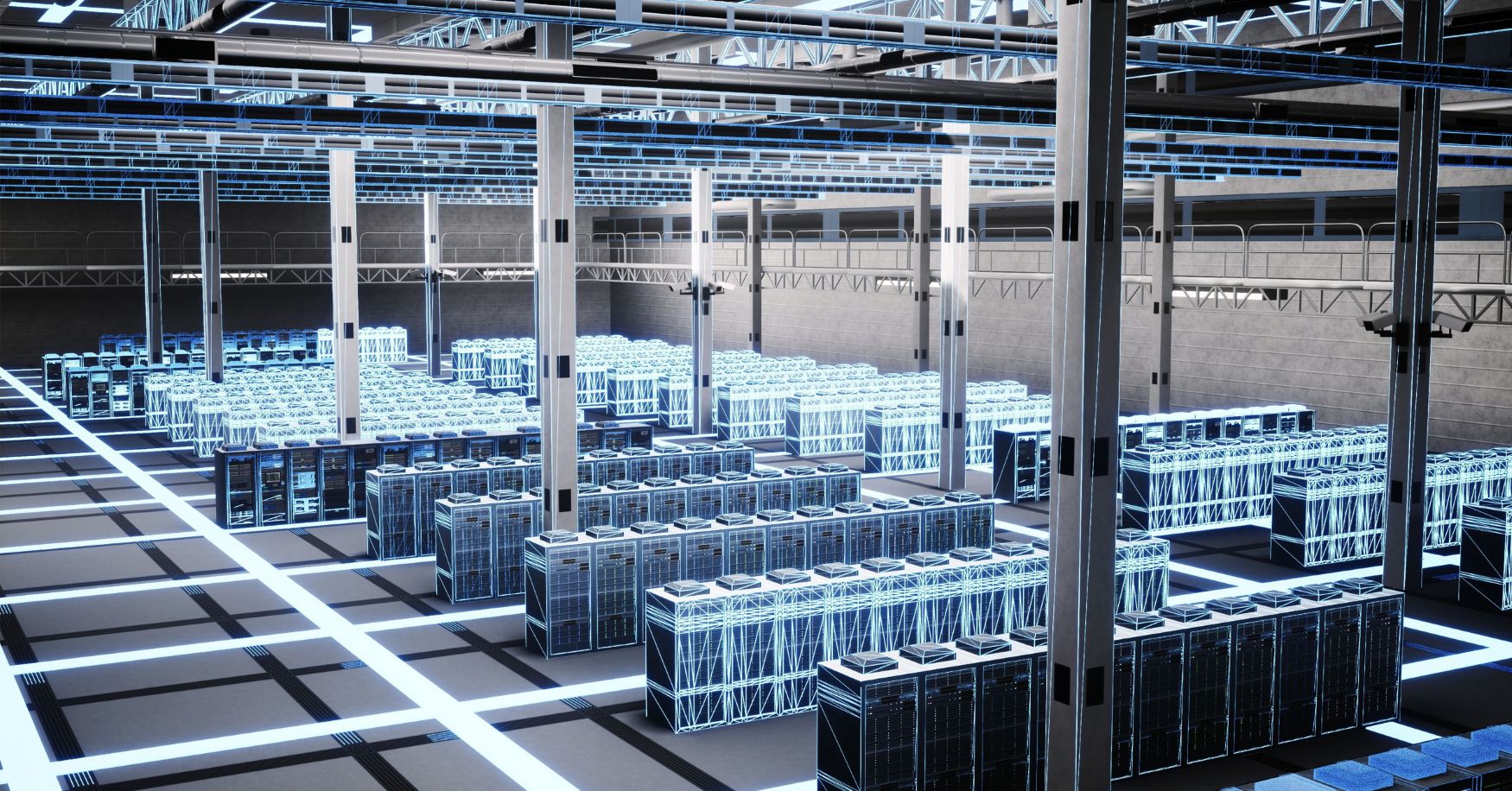
HFT performance is shaped upstream through infrastructure decisions. Learn how compute architecture, cooling, observability, and scalability influence modern trading environments.
Table of Content
Share

Infrastructure requirements in high-frequency trading are rapidly evolving. Financial institutions need infrastructure that can support increasingly demanding workloads without introducing latency variability or performance bottlenecks.

Competitive advantage is often shaped upstream through infrastructure decisions. Modern HFT architectures require careful balancing of compute performance, scalability, cooling, and reliability from the start.

Here are several key considerations for designing high-performance trading systems.

1. Define latency and execution requirements

Infrastructure design starts with understanding how quickly systems are expected to process data and execute trades. These requirements influence everything from hardware materials and component compatibility to network configuration and physical deployment strategy.

In HFT, execution speed determines whether opportunities can be captured before market conditions shift. Without clearly defined latency targets, infrastructure decisions become reactive rather than intentional.

2. Align compute architecture to workload

HFT environments rely on a mix of over-clocked CPUs and memory, Field-Programmable Gate Arrays (FPGAs), and GPUs, each supporting different infrastructure and workload requirements.

• High-frequency CPUs support ultra-low-latency trading, market data processing, analytics, and strategy execution.

• FPGAs are optimized for highly deterministic, ultra-low-latency workloads such as feed handling and execution acceleration.

• GPUs increasingly support AI/ML-driven workloads including model training, inference, simulation, and large-scale analytics.

Performance depends on how these components are integrated and aligned to workload demands. Misalignment can introduce latency variability, resource bottlenecks, and unpredictable system behavior during periods of high activity.

3. Design for consistency under load

Systems need to maintain predictable behavior under load, particularly as trading volumes increase and strategies become more computationally demanding.

Even small variations in latency can affect execution quality. Infrastructure must be designed to maintain deterministic performance under sustained load by minimizing bottlenecks across compute, networking, power, and cooling environments.

4. Plan for power, cooling, and density constraints

Power density, cooling capacity, and physical space constraints directly affect how HFT infrastructure is deployed and scaled. As compute demands increase, organizations may face limitations around rack density, thermal management, and power distribution that restrict how much infrastructure can be deployed within a given footprint.

When these constraints are not addressed early, systems may experience thermal throttling, latency variability, or reduced hardware efficiency under sustained load. Retrofitting power and cooling environments later in the process can also limit scalability and introduce architectural compromises that affect long-term operational stability.

5. Integrate observability and control

Trading systems must provide visibility into how decisions are made, executed, and monitored across the infrastructure stack.

Monitoring, logging, and traceability support both system optimization and regulatory oversight. As scrutiny around algorithmic trading and AI-driven systems increases, firms are under growing pressure to maintain greater visibility into system behavior, execution paths, and operational anomalies.

HFT compute infrastructure design directly affects how telemetry is collected, how system activity is monitored, and how quickly teams can identify latency sources or investigate failures across distributed environments.

The new generation of ORION HF platforms is designed with this operational visibility in mind, combining enhanced telemetry, infrastructure monitoring, and platform-level observability and remote management to support more consistent low-latency behavior and faster infrastructure diagnostics under load.

6. Validate in real operating conditions

Infrastructure design cannot rely on isolated performance benchmarks alone. Systems need to be validated under workloads that reflect actual trading conditions, including sustained data throughput, latency pressure, and concurrent system activity.

This is often where latency variability, thermal limitations, network bottlenecks, and integration issues between hardware and software components surface. Identifying these issues early helps teams make infrastructure decisions that better support predictable performance at scale.

Infrastructure as a competitive factor in HFT

In HFT, execution quality determines outcomes. Performance should be shaped upstream through infrastructure design decisions, as even small differences in consistency, latency, or system behavior can directly affect results.

In short, AI contributes to decision-making. Infrastructure determines whether those decisions can be executed reliably at scale.

Latency targets, compute architecture, thermal management, observability, and infrastructure validation all influence how systems behave under sustained load. Designing environments that support predictable performance at scale requires infrastructure built around the demands of modern trading systems.

Hypertec works with organizations to evaluate workload requirements, infrastructure constraints, and operational objectives to help design HFT environments that support scale, predictable performance, and long-term operational resilience.

Explore solutions engineered for high-performance, low-latency trading environments

SOURCES

DDN: AI Infrastructure for Financial Services

Interactive Brokers: AI models in HFT

International Monetary Fund: AI Can Make Markets More Efficient - and More Volatile

McKinsey: The State of AI in 2025 - Agents, innovation and transformation

Ready to Elevate Your Business with Optimized Solutions?

Contact us to streamline your operations, increase efficiency, and scale your business today.

Financial Services
Financial Services
Financial Services